SIOMAI

SIOMAI

ZZZZ

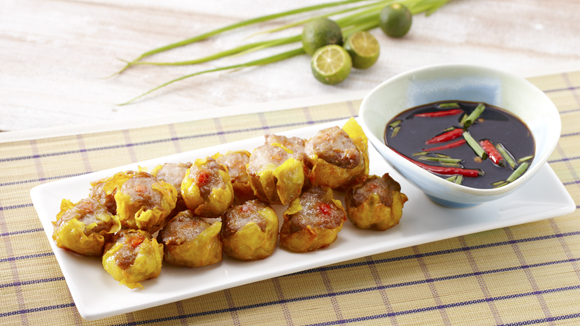
Siomai is a popular dim sum dish which consists of ground pork or shrimp or both, carrots, dried mushrooms, green onions and flavored with soy sauce, Chinese wine, salt, pepper and sesame oil. Egg and cornstarch are used to bind the mixture together. It is then wrapped in wonton wrappers and steamed. Thi is my favourite street even thought its fried or stemed because of its deliciuos tatse.

(CTTO)

STEAMED PORK  (SIOMAI)

PREP TIME 
COOK TIME 
TOTAL TIME 
Serves: 24 pieces

INGREDIENTS

  • 1 lb lean ground pork
  • ½ lb shrimps, peeled, deveined and finely chopped
  • 3 large dried shitake mushrooms
  • ¼ cup shredded carrots
  • ¼ cup chopped green onions
  • 1 teaspoon soy sauce
  • 1 teaspoon Shaoxing wine or rice wine or sherry
  • 1 teaspoon salt
  • ⅛ teaspoon ground pepper
  • 1 tablespoon sesame oil
  • 1 egg, lightly beaten
  • 1 tablespoon cornstarch
  • 24 wonton wrappers
  • INSTRUCTIONS

    1. Soak the mushrooms in hot water for 20 minutes. Drain, remove the stems and chop finely.
    2. In a large bowl, thoroughly mix all the ingredients until well blended. Cover with plastic wrap and refrigerate for 20 minutes.
    3. Fill center of wonton wrapper with a tablespoonful of the filling. Wrap the edges around the filling and flatten the top with the back of a spoon. Repeat with the rest of the wrappers and filling.
    4. Lightly dust the bamboo steamer with flour (or brush stainless steamer with oil) and steam the siomai for 10-15 minutes.
    5. Serve with lemon juice and soy sauce dipping sauce.
    6. Enjoy!
BUKO JUICE

BUKO JUICE

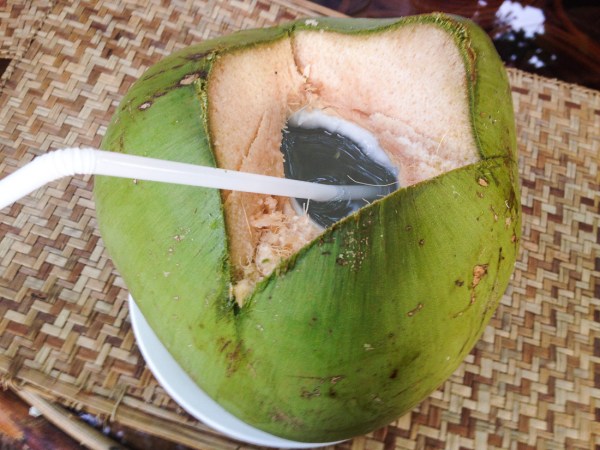
green-coconut-cambodia

Buko juice, also known as coconut water, is another refreshing and popular drink that is commonly sold on the streets or in restaurants in the Philippines. The coconut meat can be used for desserts such as buko salad, buko pandan. In the Philippine provinces, some use both the coconut meat and coconut water combined with milk and crackers. It is very delicious and a perfect mid-day snack. This is a very healthy drink during the summertime as well. Healthy in the sense that it contains a lot of electrolytes and minerals needed for hydration. It is all natural and environmentally friendly. Because of its nutrients, it is becoming a popular sports drink in America and can be found sold in cans. It is being promoted as an alternative natural sports drink because in it’s natural form it contains the essential electrolytes and minerals. So, before you buy that unhealthy soda or even that high priced sports drink you are craving, try Buko juice instead as an alternative. It will definitely quench your thirst.

Good to know: Buko (the meat) is a versatile food item that’s made its way into various desserts. You get buko-pandan when you mix pandan-flavored (“pan-dan,” screwpine) gulaman with buko. Buko salad is a standard party fruit salad that combines buko strips with canned fruit-cocktail mix and cream or milk. The delicately flavored and textured buko pie uses buko as a pastry-shell filling, and then you have buko ice-lollies, bukayo (“boo-kah-yo,” candied buko), and even halu-halo served in buko, shell and all. If you love coconuts, you will be very happy in Manila!

Buko juice is a popular, refreshing drink from the Philippines. “Buko” is a Filipino word that means “young coconut.” Hence, Buko juice is also known as coconut milk drink. There are two ways to prepare a Buko juice, one that uses fresh juice from the coconut fruit and one that uses canned Buko juice concentrate. purchased from groceries carrying Asian products. Either version offers a healthy drink that has traditionally been used to treat a urinary tract infection.

(CTTO)

Fresh Coconut Juice Version

Step 1

Remove the outer shell or husk of the coconut fruit by using a sharp butcher knife or machete until the middle layer is exposed. Crack open the top part of the coconut fruit.

Step 2

Pour the coconut milk through a strainer into a tall pitcher. Straining gives you a clear coconut milk that is free of small particles.

Step 3

Use a citrus zester to remove the coconut flesh, or meat, from the shell. Add the shredded coconut meat to the pitcher, then stir in 2 cups of water and 2 tbsp. of sugar.

Step 4

Pour the drink over ice cubes in a tall glass.
BANANA CUE

BANANA CUE

BANANA

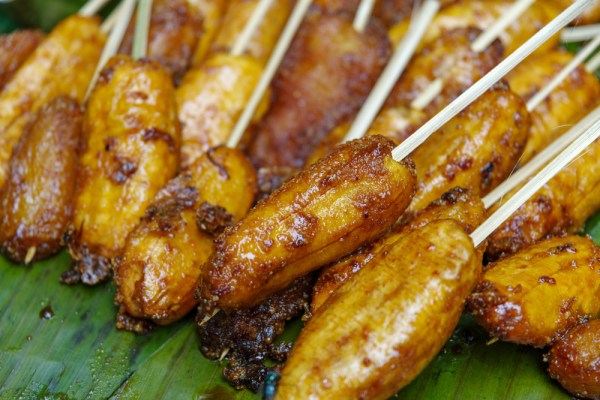
Banana cue is made with deep fried bananas coated in caramelized brown sugar.Banana cue or banana kyu is a popular snack in the Philippines. This is mostly eaten as an afternoon snack and is sometimes served as dessert.
Banana cue is dip frying “saba” or cardava banana rolled in brown sugar. …Bananas are supposed to be super healthy with lots of vitamins and minerals plus digestive enzymes to give you healthy digestion. Bananas are healthier than apples

BANANA CUET his is considered as one of the all-time best selling street food in the Philippines. It is an affordable sweet treat, as bananas are always in season in our country and are easy to grow.
A banana cue is simply made from cardaba or saba bananas, a kind of banana that grows in many tropical Asian countries like the Philippines, rolled in a brown sugar and then deep fried. It is usually skewered on a bamboo stick and is sold on the streets. This healthy-delicious snack can be eaten anywhere and anytime of the day. It is an excellent source of energy.This is sweet, crunchy and gooey… A perfect snack for those who have sweet tooth!
Here’s a quick and easy recipe for you.

(CTTO)

BANANA CUE RECIPE

  • Cook Time: 15 mins
  • Yield: 15

INGREDIENTS

  • 1 large bunch saba bananas (15-20)
  • 1 cup brown sugar
  • oil for frying

    INSTRUCTIONS

    1. Heat the oil over medium low heat. Add the brown sugar and wait until the sugar starts to caramelize.
    2. Place the bananas in the oil and fry them with the brown sugar so until they are covered with the sticky brown sugar and a deep golden color.
    3. Drain on paper towels and serve on individual skewers.
BINATOG

BINATOG

binatog1.jpg

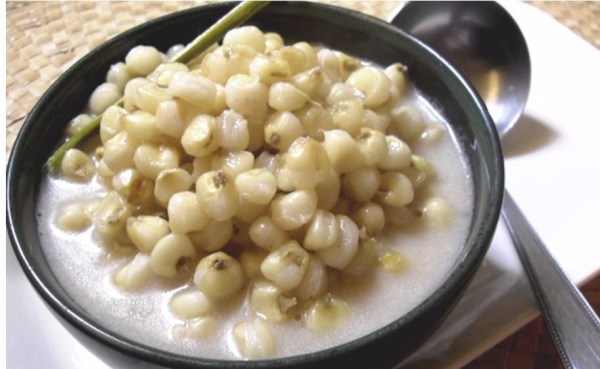
Binatog is a popular street food in the Philippines usually peddled from house to house in large metal tins by street vendors. It’s made of boiled white corn kernels topped with freshly-grated coconut, margarine, and salt (or sugar) just before serving.

Although corn is plentiful in the U.S., I haven’t come across the type of corn that’s traditionally used in this dish. Some recipes I’ve found and tried in the past recommend canned hominy but although delicious, it didn’t quite taste like the binatog I remember.Binatog is a very easy snack you can pull together in 30 minutes or less. The only time-consuming part of making this dish is removing the corn kernels from the ears. Although faster and easier, please, please do NOT use a knife as you want to keep the kernels whole and not cut through them. The fastest way I’ve tried is to use a fork, just push the tines between the corn kernels and gently pry them off the cob. In a matter of minutes, you’ll have corn ready for boiling. Enjoy!

(CTTO)

Binatog

Prep time 
Cook time 
Total time 
Ingredients
  • 2 packages (6 ears) boiled white corn
  • water
  • 2 cups freshly grated coconut
  • margarine to taste
  • salt or sugar to taste
    Instructions
    1. Using tines of fork, pry corn kernels from cobs.
    2. In a pot over medium heat, place corn kernels and enough water to cover. Bring to a boil and then lower heat, cover, and cook for about 15 to 20 minutes or until tender. In a colander, drain corn well.
    3. Divide boiled corn on serving plates. Top with grated coconut, margarine, and salt or sugar to taste.


CALAMARES

CALAMARES

calamares

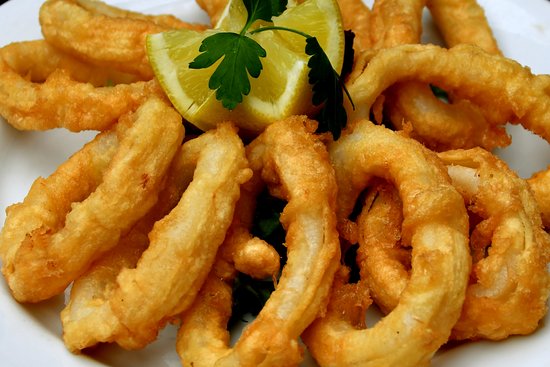
Calamares is the Filipino version of the Mediterranean breaded fried squid dish, Calamari. There are different methods on how to make this dish; the most usual does not involve breadcrumbs. However, I chose to add breadcrumbs for this recipe for visual appeal and a crunchier texture.

So, what is the difference between Calamares and Calamari besides the spelling? 🙂 Well, there is no big difference at all. The only difference that I noticed is the dipping sauce. Calamari is often dipped in marina or other tomato based sauce while Filipino Calamares is dipped in spiced vinegar or toyo mansi.

I enjoy this dish when spiced vinegar is around. This makes a real good “pulutan” (beer food) too. Do you also like to pair Calamares with beer?If in case you are having a hard time looking for fresh squids, you may always purchase the packaged squid rings for calamari. These are located on the frozen food section of most supermarkets or grocery stores.

Squid can be prepared for consumption in other ways. In Korea, it is sometimes served raw, and elsewhere it is used as sushi, sashimi and tempura items, grilled, stuffed, covered in batter, stewed in gravy and served in stir-fries, rice, and noodle dishes. Dried shredded squid is a common snack in some Asian countries, including East Asia.

(CTTO)

Calamares Recipe

Prep Time 10 minutes
 Cook Time 3 minutes
 Total Time 13 minutes
 Servings 3

Ingredients

  • 1/2 lb medium to large sized squid cleaned and sliced into rings
  • 3/4 cup all-purpose flour
  • 1 piece raw egg beaten
  • 3/4 cup breadcrumbs
  • 1 teaspoon salt
  • 1/2 teaspoon ground black pepper
  • 2 cups cooking oil

    Instructions

    1. Combine squid, salt, and ground black pepper then mix well. Let stand for 10 minutes.
    2. Heat a cooking pot the pour-in cooking oil.
    3. Dredge the squid in flour then dip in beaten egg and roll over breadcrumbs.
    4. When the oil is hot enough, deep-fry the squid until the color of the coating turns brown. Note: This should only take about 2 to 3 minutes in medium heat. Do not overcook the squid.
    5. Remove the fried squid from the cooking pot and transfer in a plate lined with paper towels.
    6. Serve with sinamak or Asian dipping sauce.
    7. Share and enjoy!
DUGO OR BETAMAX

DUGO OR BETAMAX

dugo.jpg

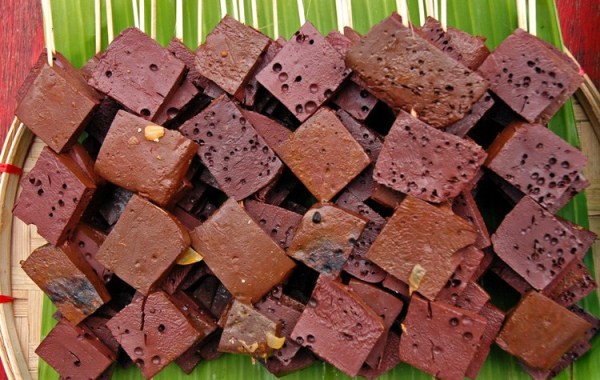
You might think that this is your ordinary Betamax ®, but it is not. It’s actually a street slang for grilled chicken blood. Wait a minute, did I read it correctly? How can you grill something that is in liquid form? Most of you might be wondering how this happened, let me just give you a brief background on how this is done.Chicken blood is extracted from the chicken in liquid form. When the blood is placed in an open container and cooled down a little, the texture becomes thicker and somewhat gelatinous. The “gelatinous” blood is scalded to have a more solid form then cut into rectangular pieces. The rectangular blood resembles the shape of a Betamax® tape and this is the reason why it was called such.

Roasted chicken has no taste at all, it doesn’t look like anyone’s taste or stench. It’s like chewing something that doesn’t have any taste. The best way to compliment this is to soak it in a mixture of vinegar and pepper. I found that roasted blood is better because it absorbs more vinegar, which is the main source of taste.

(CTTO)

HERE’S SOME RECIEPE

Ingredients

1 cup Chicken blood
1 teaspoon Salt
1 teaspoon Pepper
5 cups water
2 teaspoon Oil
2 teaspoon Soy sauce
1/2 cup Ketchup

Cooking Procedure

  1. Combine the chicken blood, salt and pepper in bowl.
  2. Boil 5 cups of water and pour in the mixture.
  3. Drain the water when the blood thickens. Let it cool.
  4. Cut into cubes and skewered.
  5. Grill the blood over a charcoal stove for 10 minutes while basting with the mixture of oil, ketchup and soy sauce and let the flavour be absorbed.
FISH BALL

FISH BALL

FISHBALL

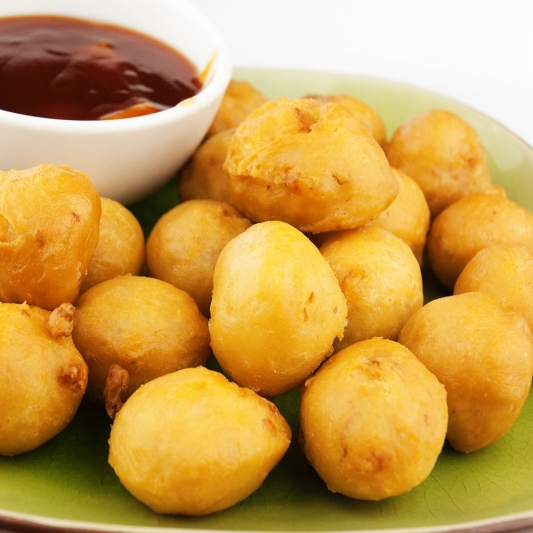
Fish balls are a popular food in the Philippines and are usually sold by vendors on roads to most roads. It is almost fish that sells and sells buy fish to make fish balls. and maas. Fishes are studied in the Philippines, every Filipino has a “fish” that adds to the memory of the time that each child does not forget.

I’m happy that their many people are selling fish balls and selling roads for decades. When I arrived at home, my mother had fish balls because my sisters asked my mother to cook for their midnight snacks. look at me and my family eating fish balls. The meat is delicious and the color of the golden color is red. Unfortunately, by purchasing more production costs, the land is much higher than the fish. The Filipinos are proud of what they are doing, because it is a matter of honor, we do not need to be ashamed of what we are doing and we should be proud of, therefore in the Philippines we can see and taste the most delicious fish balls. because of fresh fish caught in Filipino. Eat the streets. There, while selecting a fish ball with a brilliant full-length ball filled with oil or something that creates a cronchy fish ball, the fish ball takes a golden brown color, it is a sign that the fish This ball is cooked.

As my experience with fish balls is my favorite dish on the street, like on my place san marcelino zambales, the fish balls in my area are very good and also have the taste of their sauce. some souces, are spicy,sweet and sour  and can also taste vinegar on paper. So I invite you all to eat and try what is the most popular street food in the Philippines!

KWEK KWEK OR ORANGE EGG

KWEK KWEK OR ORANGE EGG

cropped-kkkk

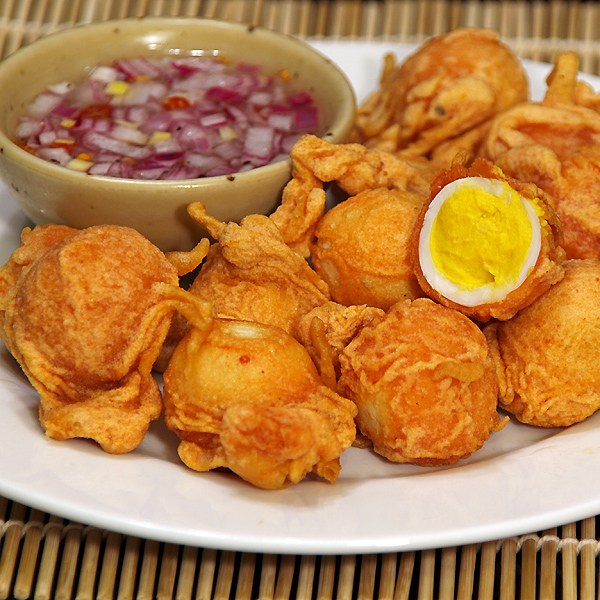
Kwek Kwek or Orange eggs are boiled quailed eggs coated with an orange batter and deep-fried until the batter is crispy. This is categorized as a street food and are sold along with fish balls, squid balls, and chicken balls.

Making these eggs is not hard at all. You just need to boil the quail eggs in advance and after that, it wouldn’t take you more than 10 minutes to complete the process. By the way, Kwek-kwek has a big brother named “Tokneneng“.  The latter are boiled chicken eggs cooked the same way.

If you are thinking of something special to have for merienda, why don’t you try your cooking skills by making some kwek kwek. Make sure to have the vinegar dip ready too.

Base on my own experience eating this kind of food is so happy  because its price is so affordale for all even you are a student,worker because it is only 12pesos !

(CTTO)

HERE’ SOME RECIEPE !

HOW TO MAKE “KWEK KWEK OR ORANGE EGG”

Prep Time 5 minutes
 Cook Time 5 minutes
 Total Time 10 minutes
 Servings 4

Ingredients

  • 12 to 18 pieces boiled quail eggs
  • 1 cup flour
  • 3 tbsp cornstarch
  • 3/4 to 1 cup water
  • 1 tbsp anatto powder pinulbos na atsuete
  • 1/2 tsp salt
  • 1/2 tsp ground black pepper
  • 2 cups cooking oil

Instructions

  1. Place the cornstarch in a container and dredge the boiled quail eggs. Set aside.
  2. In a mixing bowl, combine flour, salt, and pepper then mix thoroughly.
  3. Dilute the anatto powder in warm water then pour-in the mixing bowl with the other ingredients. Mix well.
  4. Place all the quail eggs in the mixing bowl and coat with the batter.
  5. Heat the pan and pour the cooking oil.
  6. When the oil is hot enough, deep-fry the quail eggs by scooping them from the mixing bowl using a spoon. Make sure that each is coated with batter.
  7. After a few minutes, remove the fried quail eggs from the pan and place in a serving plate.
  8. Serve with vinegar or fish ball sauce while still crispy.
  9. Share and Enjoy!
BALUT

BALUT

balutT

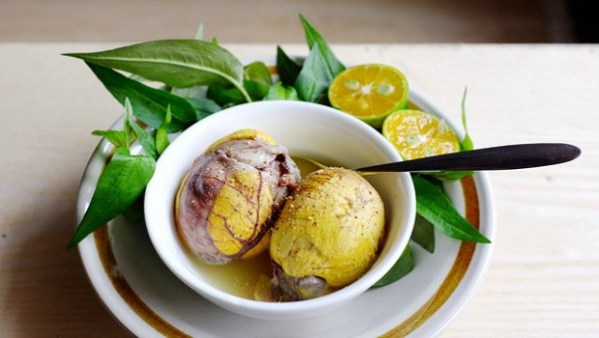
A balut is a fertilised bird egg (usually a duck) which is incubated for a period of 14 to 21 days depending on the local culture and then boiled or steamed. The contents are eaten directly from the shell. Balut that are incubated for longer periods have well-developed embryo and the features of the duckling are recognizable. The partially-developed embryo bones are soft enough to chew and swallow as a whole. The mallard duck (Anas platyrhynchus), also known as the “Pateros duck”, is considered to be the most important breed for egg production to make balut.

Balut is a common street food in the Philippines and other localities, and is also sold in stores and malls. It is a relatively cheap source of protein and calcium. Balut was introduced to the Philippines by the Chinese around 1885 and since then, balut has been included as a traditional part of the culture. Wherever Filipinos migrated for work, a large market for balut would develop. Controversies arose as knowledge of the food spread around the South East Asian countries and then globally. People questioned the ethics of eating balut.[

Balut spelled standardized as balot) is a developing bird embryo (usually a duck) that is boiled and eaten from the shell. It originated from and is commonly sold as street food in the Philippines. Often served with beer, balut is popular in Southeast Asian countries, such as Laos (khai lookLaoໄຂ່ລູກ), Cambodia (pong tia kounKhmerពងទាកូន),[2] Thailand (Khai KhaoThaiไข่ข้าว) and Vietnam (Vietnamesetrứng vịt lộn or hột vịt lộn).

The Tagalog and Malay word balot means “wrapped”. The length of incubation before the egg is cooked is a matter of local preference, but generally ranges between 14 and 21 days.

Here in the Philippines Balut is just only 18 PESOS you may enjoy your night , because every other Pilipino use this for there occupation.

(CTTO)

THE MOST POPULAR STREET FOOD IN THE PHILIPPINES

THE MOST POPULAR STREET FOOD IN THE PHILIPPINES

isaw

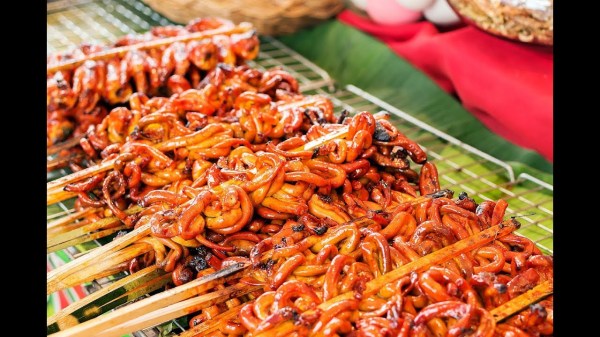
Isaw is a street food from the Philippines, made from barbecued pig or chicken intestines.[1] The intestines are cleaned, turned inside out, and cleaned again, repeating the process several times; they are then either boiled, then grilled, or immediately grilled on sticks. They are usually dipped in vinegar or sukang pinakurat (vinegar with onions, peppers, and other spices). They are usually sold by vendors on street corners during the afternoons.

Grilled Isaw or Inihaw na Bituka ng Baboy is pig’s large intestine boiled until tender then grilled. This is  probably the most sought and most popular street food in the Philippines.


Grilled Isaw (Intestine) Recipe

 Prep Time 20 minutes
 Cook Time 40 minutes
 Total Time 1 hour

Ingredients

  • 1 lb pig’s large intestine well cleaned
  • 1/2 cup vinegar
  • 2 tbsp whole pepper corn
  • 2 tbsp salt
  • 4 to 6 pieces dried bay leaves
  • 4 cups water

    Instructions

    1. Pour the water in a cooking pot and bring to a boil.
    2. Put-in the salt, whole pepper corn, and dried bay leaves
    3. Add the large intestines then simmer for a few minutes
    4. Add vinegar then simmer until the intestines are tender (about 30 minutes). Set aside until the temperature goes down.
    5. Cut the intestines crosswise (about 1 inch in length)
    6. Skewer the intestine (about 3 to 4 pieces per skewer)
    7. Grill the intestine while basting with the mixture of cooking oil, banana catsup, and soy sauce
    8. Serve with vinegar and chili dip